
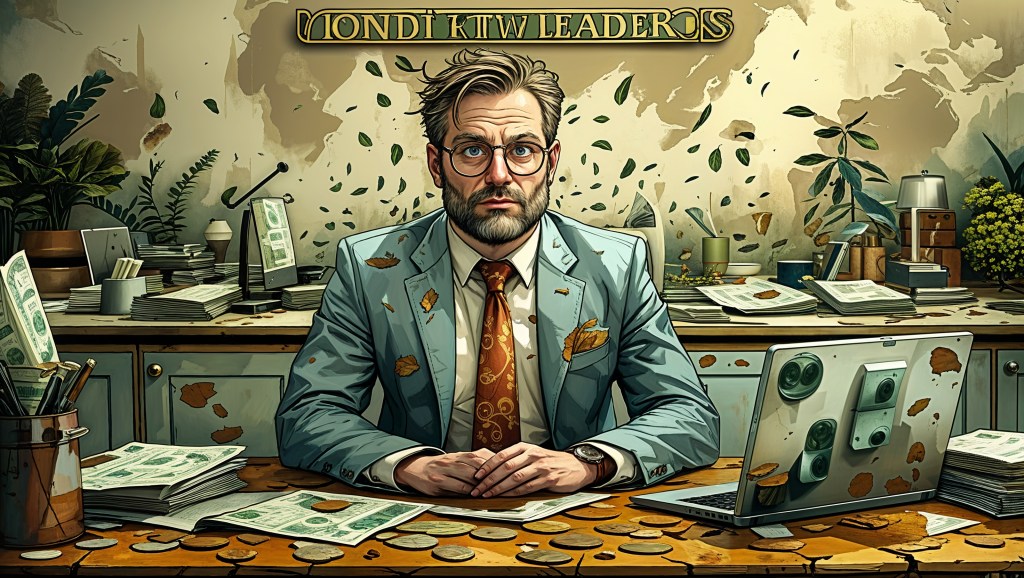
We’ve all had one. That boss who calls themselves a “leader” because their title says so on Slack and they’ve added a fancy quote about innovation to their LinkedIn header. But once you actually work under them, you realise the truth: this person couldn’t lead a group of people out of a room with one door and a flashing exit sign.
There’s a massive difference between being a boss and being a leader — and unfortunately, too many people in management positions never learned that difference.
Titles Are Cheap. Leadership Is Earned.
One of the first lessons I learned in my career — painfully, I might add — was that titles don’t mean a damn thing. I’ve worked with “senior” managers who avoided responsibility like it was a contagious disease. You’d bring up a problem, ask for guidance, maybe even suggest a solution, and what do you get back?
A deep sigh. Maybe a vague nod. A half-baked line like, “That’s a good point, we’ll need to keep an eye on that.”
Then they disappear. The issue festers. Nothing changes. Until a week later, they’re asking you why it hasn’t been fixed — like they weren’t part of the problem the whole time.
Meanwhile, they’re in every meeting nodding, smiling, “bringing energy to the team” — while their actual contribution amounts to sending calendar invites and summarising what someone else just said in fancier words.
Leadership isn’t about having “Head of” or “Lead” next to your name. It’s about showing up when it matters. It’s about being someone your team can rely on. Not someone who hides behind a job title and ghostwrites confidence.
The Feedback Loop of Cowardice
What really gets me are the ones who pretend to be brave, but are terrified of making a real decision.
You bring them a clear, practical solution to a real issue. You’ve thought it through, you’re not winging it, you’re just trying to move things forward. And what do they say?
“Let me run that by leadership.”
“We should get a few more opinions on this.”
“It’s a great idea, but maybe not the right time.”
That’s not leadership. That’s fear in a polo shirt.
They’re so scared of being wrong — or more accurately, being seen as wrong — that they’d rather stall the entire team than take a stance. Then, once someone higher up makes a decision, they suddenly grow a backbone and pretend they were in favour of it all along.
They don’t lead. They follow. From behind. Quietly.
How They Got the Role (And Why You Didn’t)
If you’re wondering how people like this end up in management, the answer is both obvious and infuriating. They play the game.
They know how to “manage up.” They know which meetings to speak in and which ones to stay silent in. They never challenge the dumb ideas in the room because the person saying them holds a budget.
They don’t rock the boat. They don’t ruffle feathers. And they sure as hell don’t speak up for the people doing the work unless it’s convenient.
And you? You actually care. You call things out when they’re broken. You push back when something doesn’t make sense. You speak like a human, not a corporate chatbot. Which makes you difficult.
Because in the corporate world, mediocrity packaged in politeness often beats out actual integrity.
The Moral: Leadership Isn’t a Job Title
I’ve worked with juniors who had more leadership in their pinky finger than some VPs I’ve reported to. Because leadership is about action. It’s about owning your shit. It’s about giving credit, taking blame, and not throwing your team under the bus when a deadline slips or something breaks.
It’s the person who stays back to help. The one who defends their team instead of “escalating concerns.” The one who checks in because they actually care — not because it’s their one-on-one reminder.
If your boss only shows up to assign tasks, forward emails, and give motivational speeches that sound like they were pulled from a failed TED Talk, they’re not a leader. They’re a talking calendar invite.
So here’s your reminder: just because someone’s in charge doesn’t mean they deserve to be.
And if you’re the one stepping up, making things happen, pushing through the noise, and quietly holding everything together while someone else takes the credit — you’re already doing the job they think they’re qualified for.
Wear that with pride. Just don’t expect them to thank you for it.
Because they never learned how.
 The Toxic Boss
Leave a comment